
In 2026, many JSS authors make outstanding contributions to our journal. Their articles published with us have received very well feedback in the field and stimulate a lot of discussions and new insights among the peers.
Hereby, we would like to highlight some of our outstanding authors who have been making immense efforts in their research fields, with a brief interview of their unique perspective and insightful view as authors.
Outstanding Authors (2026)
Giada Garufi, Papardo Hospital, Italy
Chiemeka Uwakwe, Renaissance School of Medicine at Stony Brook University, USA
María Gabriela Sánchez Paez, Hospital Barros Luco Trudeau, Chile
Myka D. Dancy, Meharry Medical College, USA
Jared D. Ament, Neurosurgery & Spine Group, USA
Francesco Caiazzo, Sagrada Familia Medical Center, Spain
Ryuya Maejima, Tsushima City Hospital, Japan
Paul G. Mastrokostas, Maimonides Medical Center, USA
Le Hoang Nha, Tra Vinh General Hospital, Vietnam
Hun Yi Koh, Sengkang General Hospital, Singapore
Siraj Shaikh, St. Joseph's University Medical Center, USA
Dana Saleh, The University of South Florida, USA
Outstanding Author
Giada Garufi

Dr. Giada Garufi, MD, is a graduate of the University of Messina, Sicily, where she also attended her undergraduate studies. She graduated magna cum laude with a Bachelor of Neurosurgery. During her residency, she provided exceptional care and consultation, leading to an overall improvement in the department's patient satisfaction ratings. She completed a fellowship in Vascular Neurosurgery and Skull Base Neurosurgery at the Mayo Clinic in Rochester, MN. Before and after her residency, she underwent training in robotic vertebral surgery at Papardo Hospital in Messina, Sicily, and continued her education in Barcelona, Spain; Lingen, Germany; and Gent, Belgium. This training allowed her to gain valuable experience with robotic systems and the treatment of degenerative and traumatic conditions affecting the cervico-dorso-lumbar spine. She has been practicing at Papardo Hospital, Messina, Sicily, Italy, since 2023, one of the top public hospitals which has invested in robotic spine surgery in Italy and works in conjunction with researchers to pioneer clinical research which focuses on short and long-term results of this new discipline. Currently, she is working at Papardo Hospital as a neurosurgeon with particular experience in robotic spine surgery, and she is pursing a PhD in Applied Biology and Experimental Medicine at the University of Messina, studying the role of regenerative medicine, monocytes and stem cells in degenerative pathologies of the spine.
Dr. Garufi thinks that an essential academic paper must bridge the gap between methodological precision and clinical utility. In addition to a clear hypothesis, the primary element is a rigorous and transparent methodology—whether it is a randomized controlled trial or a detailed case series—that prioritizes patient safety and data reproducibility. A high-quality paper must also feature a critical "Discussion" section that situates findings within the current neuroanatomical landscape, addressing both statistical significance and practical surgical implications. Ultimately, the hallmark of excellence in this field is translational value: the ability to provide actionable insights that refine operative techniques or improve long-term patient outcomes.
In Dr. Garufi’s view, authors must balance universal scientific rigor with field-specific precision when they prepare their writing. Generally, this requires a focused research question, methodological transparency, and a high degree of ethical integrity. However, in the context of spine surgery, authors must specifically bear in mind the critical intersection of biomechanical data and clinical outcomes. A high-quality spine manuscript necessitates the use of validated patient-reported outcome measures (PROMs), such as the ODI or VAS, to ensure that radiological success correlates with functional recovery. Authors must also provide meticulous patient stratification based on spinal levels, sagittal alignment, and specific pathologies. Furthermore, given the rapid evolution of minimally invasive techniques and instrumentation, it is essential to maintain intellectual honesty regarding learning curves, hardware complications, and long-term risks like adjacent segment disease. A successful paper should provide a reproducible, evidence-based framework that directly informs surgical decision-making and enhances patient safety.
“To those dedicated to the rigorous path of academic writing, particularly in high-stakes fields like neurosurgery, your work is the silent engine of clinical evolution. Writing a paper is often a grueling exercise in discipline, requiring you to translate hours of exhaustive research and operative precision into a permanent record for the global medical community. In reflecting on my own journey, I must admit that I began this path without ever imagining that I would one day contribute something significant to the field of neurosurgery; ultimately, it has transformed into a journey of continuous evolution and profound curiosity toward that which does not yet exist. To my colleagues and fellow academic writers: do not underestimate the power of your persistence. What begins as a simple inquiry often evolves into the foundation of future surgical standards. We are not merely documenting data; we are exploring the frontiers of the 'not yet known.' Let your curiosity be your compass, and remember that every rigorous paper you produce is a vital step toward a future where we can offer our patients solutions that, today, we can only imagine,” says Dr. Garufi.
(by Sasa Zhu, Brad Li)
Chiemeka Uwakwe
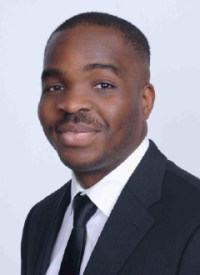
Dr. Chiemeka David Uwakwe was born and raised in Lagos, Nigeria. He left Nigeria at sixteen to pursue a five-year combined BS/MS degree in Biology (with a minor in Chemistry) at Saint John’s University in Queens, NY, graduating summa cum laude. Thereafter, he moved to Long Island to begin medical school at the Renaissance School of Medicine at Stony Brook University. In July 2024, he began a yearlong research fellowship with the Department of Neurological Surgery at Stony Brook University Hospital. His research focuses on the evaluation and management of cranial and spinal trauma, including recovery of consciousness post-TBI, post-traumatic epilepsy, and the preoperative care of neuro-intensive patients. In his free time, he enjoys weight training and playing badminton.
Dr. Uwakwe believes that a good academic paper has a clear structure that allows readers to follow the progression of academic reasoning easily and intuitively. It should also bring contemporary knowledge under scrutiny, however light, to either further establish researchers’ scientific understanding or invite new perspectives and innovations.
In Dr. Uwakwe’s view, keeping pace with the ever-evolving bibliography of scientific knowledge begins with a thorough literature review. A personal mentor often emphasizes the importance of progressing from what is known to what is unknown. Once a solid understanding of established literature is achieved, one can begin to identify gaps in older theoretical models of scientific phenomena that may be resolved through new insights.
Dr. Uwakwe finds the most intriguing element of writing to be balancing the excitement of discoveries with a professional and academic tone. While expressing his excitement, he remains mindful of the tendency to exaggerate research findings. To counter this, he carefully reviews data and reasoning, ensuring that he maintains a clear focus on the big picture.
(by Sasa Zhu, Brad Li)
María Gabriela Sánchez Paez

Dr. María Gabriela Sánchez Páez is a neurosurgeon based in Santiago, Chile. She obtained her medical degree from Universidad Autónoma de Bucaramanga, Colombia, where she led the neurosurgery research team during her undergraduate training. She later completed advanced studies in clinical research at Harvard Medical School and pursued her neurosurgery residency at Universidad de Santiago de Chile. She further refined her skills through microsurgical and vascular training under Dr. Feres Chaddad at UNIFESP, Brazil. Currently, she works in the Department of Neurosurgery at Hospital Barros Luco Trudeau and serves as a postgraduate faculty member at Universidad de Santiago de Chile. She led her department’s clinical research group, focusing on both cranial and spinal pathologies, with recent work exploring cost-effective strategies in spine surgery, including the use of vancomycin in arthrodesis procedures. She has received several international recognitions for her academic and research work.
JSS: Why is academic writing important?
Dr. Páez: Academic writing is the essential mechanism through which scientific observation becomes shared knowledge. It provides a transparent and citable record of methods, data, and interpretations that can be critically appraised and reproduced. In my view, its greatest value lies in bridging clinical experience with evidence-based practice, allowing individual observations to evolve into knowledge that systematically benefits patients. It also promotes the standardization of treatments and facilitates knowledge exchange across institutions and regions. Through academic writing, we can report rare pathologies, evaluate new techniques, and refine medical practice. Importantly, it fosters curiosity and engagement in research among younger generations. Ultimately, academic writing is not only a communication tool but a professional responsibility, ensuring that clinical insights are translated into meaningful contributions that advance medicine and improve patient care.
JSS: How to ensure one’s writing is critical?
Dr. Páez: Critical writing is grounded in rigorous analysis of evidence, methodology, and interpretation. It begins with a clear research question and an appropriate study design, supported by well-defined inclusion and exclusion criteria, adequate sample size, and careful consideration of confounding factors. The use of reporting guidelines such as CONSORT, STROBE, and PRISMA is essential to ensure clarity, transparency, and reproducibility. These frameworks allow readers to properly assess the validity of findings. Precision in terminology and clearly defined outcomes are also fundamental. It is crucial to distinguish between correlation and causation and to avoid overstating conclusions. A critical approach requires acknowledging limitations, disclosing conflicts of interest, and ensuring patient confidentiality. Finally, peer feedback and intellectual humility are key, as the goal is not only to present results but to contribute responsibly to scientific knowledge.
JSS: Is there any interesting story during academic writing that you would like to share with us?
Dr. Páez: In Latin America, early exposure to structured research training is often limited. I recall my first experience with academic writing as a medical student, when I initiated a project without formal mentorship or strong methodological foundations. My first indexed publication was a case report in this journal, titled “Spinal metastasis of two different grade oligodendrogliomas: a case report and review of the literature.” That experience was transformative and sparked my commitment to research.
(by Sasa Zhu, Brad Li)
Myka D. Dancy

Myka Dancy is a third-year medical student at Meharry Medical College from Antioch, TN, currently pursuing a career in orthopaedic surgery. She earned a bachelor’s degree from Vanderbilt University, where she also played varsity basketball. She has done research projects in artificial intelligence in orthopaedics, fracture management, and spine surgery. In her free time, she enjoys crocheting, photography/videography, and anything sports-related. She is passionate about restoring and preserving mobility to improve the quality of life. She will be applying to residency in orthopaedic surgery and looks forward to contributing to advances in the field.
Myka considers the most commonly encountered difficulties in academic writing to be explaining complex ideas clearly and supporting arguments with evidence. Through her writing experience, she has learned that planning ahead and making time for revisions are beneficial in overcoming these obstacles. Working with a strong team of writers also helps authors hold themselves accountable and bring a different perspective to their writing. Having a solid structure is equally important because it helps them stay organized throughout the process. These skills take time to develop, but they make the writing process less daunting. By developing these skills, she has been able to produce meaningful work that readers can understand.
To Myka, balancing medical school and research is demanding, but she makes it a point to set aside time for writing in her schedule. This helps her to continually make progress, even if only in small steps. She has grown as both a researcher and a medical student by writing regularly. She has found that the more consistently she writes, the more efficient and productive she is, making it easier to complete projects while keeping up with the demands of medical school.
“I believe that following reporting guidelines is important when preparing manuscripts because they provide structure and consistency, making the research and findings easier to understand. They also allow readers to evaluate and potentially replicate the work. I have personally found that using these standards helps me during final revisions, ensuring that my manuscript is complete and polished. While it may seem time-consuming at first, it makes the writing process more manageable,” says Myka.
(by Sasa Zhu, Brad Li)
Jared D. Ament

Jared Ament, MD, MPH, FAANS, FACS, is currently working at Neurosurgery & Spine Group and Cedars Sinai Medical Center. Widely recognized as the “anti-fusion doctor,” he focuses his clinical practice and research on motion preservation technologies for the spine. Rather than relying on traditional spinal fusion, he specializes in advanced alternatives such as artificial disc replacement and artificial facet replacement, aiming to avoid unnecessary fusion procedures. At the forefront of neurosurgical innovation, he is the pioneering investigator behind the 360-degree lumbar arthroplasty clinical trial, exploring comprehensive motion-preserving solutions for lumbar spine disorders.
Dr. Ament thinks that “Good data in; good product out” is truly the most important adage in academic research and publications. He also strongly believes in minimizing overly complex methodologies unless there are tools specifically used to minimize confounding and bias. Otherwise, keeping it simple and clear is the best way to disseminate information. It is also critical that the author is both excited about the work and that it addresses questions and academic curiosity from the readership.
To be concise and clear, Dr. Ament despises run-on sentences and wasted words. He takes pride in his work and research and wants to share that with the surgical community in the clearest and most meaningful way possible.
“I look at the data and start writing. Before long, I have a novel on my hands and have to remind myself that this is useless to the reader. As a reader, I want to be able to read more than the abstract but not drown in the information. So, I end up pacing the halls, having one more cup of coffee, and scrapping paragraphs at a time until we get it just right. If I cannot make sense of our work when reading it out-loud (yes, out-loud), then it’s back to the drawing board,” shares Dr. Ament.
(by Sasa Zhu, Brad Li)
Francesco Caiazzo

Dr. Francesco Caiazzo is an Italian, Barcelona-based, neurosurgeon specializing in complex spinal disorders and brain and spinal tumors. He obtained his medical degree in Naples, at the Seconda Università degli Studi di Napoli, and later moved to Spain to complete his specialization in neurosurgery through the MIR program at Hospital Universitari Mútua de Terrassa and has focused his career on advanced spinal techniques in Barcelona. Recognized for his expertise in minimally invasive spinal techniques and anterior lumbar approaches, he was a pioneer in Spain in the XLIF® lateral approach to spinal surgery. He is the founder and director of Instituto Quirúrgico Spanò and works as an international consultant in complex spinal pathology. Over the past two years, he has increasingly focused his efforts on research, culminating in the creation of Fundación Spanò, dedicated primarily to investigating degenerative spinal disorders and supporting collaborative research in other medical field. Connect with him on LinkedIn.
To Dr. Caiazzo, a good academic paper is one that begins with a meaningful clinical or scientific question and answers it with honesty, rigor, and clarity. It does not need to be unnecessarily complex; it needs to be useful. A strong paper should be methodologically sound, transparent about its limitations, and written in a way that allows other researchers and clinicians to understand, reproduce, question, and build upon its findings. In medicine, especially in neurosurgery and spinal pathology, the ultimate value of research is its potential to improve patient care.
To reduce biases, Dr. Caiazzo asserts that the first step is to recognize that bias can never be completely eliminated, but it can be actively controlled. Researchers must be disciplined in how they design their studies, collect data, interpret results, and present conclusions. It is important to distinguish clearly between evidence and opinion, to report negative or unexpected findings with the same seriousness as positive ones, and to invite critical review from colleagues. Humility is essential: the paper should serve the truth, not the author’s expectations.
“I would encourage all writers to continue, even when the process feels slow or difficult. Scientific progress is built through persistence, precision, and collaboration. Every serious contribution, even a modest one, can help open a path for better understanding and better treatment. Writing is not only a way to publish results; it is a responsibility to share knowledge with the medical and scientific community. I believe that when research is guided by curiosity, integrity, and the desire to help patients, it always has value,” says Dr. Caiazzo.
(by Sasa Zhu, Brad Li)
Ryuya Maejima

Dr. Ryuya Maejima is a neurosurgeon specializing in spinal surgery at Tsushima City Hospital and is affiliated with the Department of Neurosurgery at Aichi Medical University, Japan. His clinical and research interests focus on minimally invasive spine surgery, particularly full-endoscopic spinal surgery (FESS) and unilateral biportal endoscopic surgery (UBE/BESS). He is actively involved in developing less invasive techniques that preserve spinal mobility while maintaining surgical stability. His recent work has focused on cervical artificial disc replacement, endoscopic treatment strategies for lumbar disc herniation, and perioperative management in elderly patients with spinal disorders. He also engages in educational activities and cadaver training seminars to promote safe and effective spinal endoscopic surgery for young surgeons.
Dr. Maejima takes the view that a good academic paper should present a clear clinical or scientific question and provide a logical and reproducible approach to answering it. Originality, clinical relevance, and scientific rigor are essential. In addition, the manuscript should be easy to understand, with a concise structure, appropriate methodology, and balanced discussion. He believes that a strong paper not only reports results but also explains why the findings are meaningful for clinical practice or future research.
Dr. Maejima emphasizes that authors should always keep readers in mind. Even interesting findings can lose impact if the manuscript is difficult to follow. Clear writing, accurate data presentation, and transparent methodology are very important. It is also essential to interpret results objectively and acknowledge limitations honestly. Authors should consistently evaluate whether their manuscript adds value to the field and if the conclusions are genuinely supported by the data.
“Academic writing can be challenging and time-consuming, especially while balancing clinical practice and research activities. However, every study contributes to the accumulation of medical knowledge and may eventually improve patient care somewhere in the world. Even small clinical experiences or technical innovations can become valuable when carefully analyzed and shared. I would encourage young researchers and clinicians to continue asking questions, remain curious, and not be discouraged by setbacks or revisions. Persistence and passion are essential driving forces behind scientific progress,” says Dr. Maejima.
(by Sasa Zhu, Brad Li)
Paul G. Mastrokostas

Dr. Paul G. Mastrokostas is an orthopaedic surgery resident physician at Maimonides Medical Center in Brooklyn, New York. He earned his medical degree from SUNY Downstate Health Sciences University and completed the Coordinated BA-MD Program at CUNY Brooklyn College, where he received degrees in Chemistry and Business Administration. His research focuses primarily on spine surgery, with emphasis on clinical outcomes, health economics, national database research, Medicare utilization trends, perioperative risk prediction, and machine learning. He has authored more than 80 published manuscripts across orthopaedic and spine surgery, with recent work examining cervical and lumbar fusion outcomes, cervical disc arthroplasty, robotic spine surgery access, spine trauma, and predictors of postoperative complications and resource utilization. He also serves as an Editorial Board Member for the Journal of Spine Surgery and remains actively involved in academic research alongside his clinical training. Connect with him on LinkedIn.
From Dr. Mastrokostas’s perspective, academic writing is essential to science because it transforms observations, data, and ideas into a permanent, reviewable contribution to the field. In medicine, it allows clinicians and researchers to communicate findings clearly, evaluate evidence critically, and build on prior work. Strong academic writing also helps translate complex results into practical insights that can influence patient counseling, surgical decision-making, health policy, and future research. For him, writing is not just the final step of research — it is part of the scientific process itself. It forces investigators to clarify their question, interpret their results responsibly, acknowledge limitations, and explain why the work matters. Ultimately, academic writing helps ensure that scientific progress is shared, scrutinized, and applied in ways that improve patient care.
Dr. Mastrokostas keeps his writing current by regularly reviewing the latest literature in spine and orthopedic surgery, as well as monitoring newly published studies, society presentations, and emerging clinical trends. Before drafting a manuscript, he identifies what is already known, where the gaps remain, and how his study can add something meaningful rather than simply repeat prior work. He also focuses on contemporary datasets, clinically relevant outcomes, and questions that reflect current challenges in practice, such as utilization trends, cost, access, complications, and risk prediction. During the writing process, he updates references, compares his findings with the most current evidence, and is careful not to overstate his conclusions. His goal is to frame each project around a clear knowledge gap and provide insights that are timely, clinically useful, and hypothesis-generating.
Dr. Mastrokostas is motivated by the opportunity to contribute to orthopaedic and spine surgery beyond individual patient encounters. Academic writing enables him to pose clinically important questions, analyze patterns in outcomes and resource utilization, and contribute to generating evidence that may enhance care for future patients. He also enjoys the discipline of turning data into a clear story: identifying a gap, building a study, interpreting results, and communicating findings in a way that is useful to surgeons, trainees, and researchers. The process can be demanding, but it is rewarding when a project helps clarify a clinical issue, supports better decision-making, or opens the door for further research. Writing has also helped him grow as a critical thinker and has reinforced the importance of lifelong learning in medicine.
(by Sasa Zhu, Brad Li)
Le Hoang Nha

Dr. Le Hoang Nha is a neurosurgeon at Tra Vinh General Hospital, Vietnam. He earned his PhD in Neurosurgery from Hanoi Medical University, in which his doctoral research focused on the surgical management of severe osteoporotic vertebral compression fractures. His clinical and research interests include spinal surgery, osteoporotic vertebral fractures, degenerative spinal disorders, spinal deformity, and minimally invasive spine surgery. He has published articles in national and international peer-reviewed journals and presented his work at scientific conferences. His recent research has focused on vertebral augmentation, cement-augmented pedicle screw fixation, postoperative pain following vertebroplasty and kyphoplasty, and surgical strategies for complex spinal conditions. He is particularly interested in translating real-world clinical observations into meaningful research questions that improve spine care in everyday practice.
Dr. Nha believes that a good academic paper addresses an important clinical or scientific question and provides reliable evidence that advances current knowledge. In medicine, he believes that a valuable paper should have a clear objective, sound methodology, transparent reporting, and conclusions that are fully supported by the data. Beyond statistical significance, it should offer practical implications that can help clinicians improve patient care. A strong paper also acknowledges its limitations and encourages future investigation. Ultimately, the most impactful studies are those that bridge the gap between research and clinical practice, allowing scientific findings to be translated into better outcomes for patients.
To stay up-to-date in writing, Dr. Nha regularly follows newly published articles in leading spine and neurosurgical journals and participates in scientific conferences and academic discussions. Before starting a manuscript, he conducts a comprehensive literature review to understand the current evidence and identify existing knowledge gaps. As a practicing spine surgeon, he also compares published findings with real-world clinical observations from his patients. This combination of evidence review and clinical experience helps him develop research questions that are both relevant and practical. In his experience, the most valuable research ideas often arise when evidence from the literature is combined with unanswered questions encountered in daily clinical practice.
“One memorable experience occurred while studying residual pain after vertebral augmentation for osteoporotic vertebral compression fractures. Although most patients experienced rapid pain relief, a small number continued to suffer from significant back pain despite technically successful procedures. This discrepancy sparked my curiosity and motivated me to investigate the issue in greater depth. What began as a simple clinical observation gradually developed into a research project involving extensive data analysis and literature review. The experience taught me that important research questions often originate from unexpected findings in everyday practice. It also reinforced my belief that careful observation and persistence are essential for transforming clinical challenges into meaningful scientific contributions,” says Dr. Nha.
(by Sasa Zhu, Masaki Lo)
Hun Yi Koh

Dr. Hun Yi Koh is currently a Medical Officer, undergoing training in Orthopaedic Surgery at Sengkang General Hospital, Singapore. He previously completed his MBBS at Lee Kong Chian School of Medicine, a joint degree between Nanyang Technological University and Imperial College London. Outside of medicine, he enjoys playing tennis, running, or playing video games. His research interests span several areas of orthopaedics, including spine surgery, trauma, and foot and ankle surgery. He is currently involved in projects evaluating outcomes following Achilles tendon repair and investigating supraspinatus repair outcomes across different patient populations. He is particularly intrigued by the vast array of surgical procedures available, ranging from open surgery to microscopic work and endoscopic surgery. Through both clinical practice and research, he hopes to contribute to evidence-based orthopaedic care and ultimately pursue a career as an Orthopaedic Surgeon.
Dr. Koh emphasizes that academic writing is crucial because it enables researchers to communicate scientific knowledge in a structured, transparent, and reproducible way. In medicine, clinical decisions often rely on evidence. Research serves as a medium through which evidence is shared and built upon. It enables researchers and clinicians across different institutions and countries to learn from one another’s experiences, validate findings, and ultimately improve patient care. In addition, academic writing also encourages critical thinking. The process of writing a paper requires clinicians and researchers to carefully examine their methodology, interpret results objectively, and acknowledge limitations. Consequently, academic writing is not just a means of reporting findings; it also serves as a tool for advancing scientific progress.
Dr. Koh takes the view that an author should possess intellectual curiosity, resilience, and integrity. Curiosity helps to cultivate meaningful research questions, while having resilience is important to help them persevere through the often lengthy process of data collection, analysis, manuscript writing, and revisions. Integrity is also important as research must be transparent and free from bias. In addition, authors should be open to feedback. As papers are rarely perfect on the first draft, receiving constructive criticism from mentors, collaborators, and peer reviewers helps to strengthen the manuscript.
“Balancing clinical responsibilities with research can be challenging,” says Dr. Koh, “Being consistent is important in balancing different responsibilities. For example, rather than waiting for extended periods of free time to pop up, I try to dedicate smaller but regular periods each week to research, whether it is reviewing literature, analysing data, or drafting up the manuscript. I also believe that research depends heavily on teamwork. By working with mentors and fellow collaborators, feedback can be generated to help push the project forward. It is also important not to view research as an obligation but rather as an extension of clinical practice. The questions we encounter in patient care often inspire research, and the answers we uncover can ultimately have tangible effects on outcomes for future patients.”
(by Sasa Zhu, Brad Li)
Siraj Shaikh

Dr. Siraj Shaikh is an orthopaedic spine surgery research fellow at St. Joseph's University Medical Center in Paterson, New Jersey. He completed the seven-year BS/MD program at the New Jersey Institute of Technology and Rutgers New Jersey Medical School, where he was inducted into the Alpha Omega Alpha Honor Medical Society. His research focuses on clinical and radiographic outcomes following lumbar and cervical spine surgery, with particular interests in spinal fusion, motion preservation, and minimally invasive techniques. He has presented his work at national meetings, including NASS, CSRS, and AAOS, and remains active in surgical education and community health initiatives. In addition to conducting research, he serves as a peer reviewer for several orthopaedic journals and enjoys collaborating with residents, medical students, and multidisciplinary research teams. His long-term goal is to combine academic research, surgical innovation, and patient-centered care as an academic orthopaedic spine surgeon.
JSS: Why is academic writing so important?
Dr. Shaikh: Academic writing is how medicine moves forward. Every aspect of modern spine surgery, from operative techniques to postoperative protocols, is built on work that someone took the time to carefully study, analyze, and communicate. A surgeon may realize that a technique is effective, but that insight only becomes beneficial to the medical community once it is thoroughly documented for others to examine, reproduce, or contest. Without that, important insights remain isolated experiences instead of becoming knowledge that others can build upon. To me, academic writing is also a form of accountability. Writing forces you to clearly define your question, justify your methods, acknowledge your limitations, and challenge your own reasoning before asking others to trust your conclusions. That is what separates clinical experience from clinical evidence and ultimately strengthens the information available to surgeons and patients. As clinicians, we all want to improve patient care. Academic writing is one of the most meaningful ways to contribute beyond the patients we personally treat: a well-designed study can influence clinical decision-making for thousands of patients over many years. That's both a privilege and a responsibility I do not take lightly, especially in spine surgery, where many treatment decisions exist in gray areas between techniques and implants, each with meaningful tradeoffs.
JSS: How to ensure one’s writing is critical?
Dr. Shaikh: Critical writing begins well before the manuscript is drafted. It starts with questioning whether the research question is genuinely worth answering and whether the study design is suitable for addressing it. Throughout the writing process, I make it a point to challenge my own conclusions before anyone else has the chance to do so. Instead of asking, ‘How can I support my hypothesis?’ I ask, ‘What are the weaknesses of this study, and how might someone disagree with my interpretation?’ If those concerns are addressed honestly in the manuscript, the final paper is almost always stronger. I have also found that stepping away from a draft for a few days before revisiting it makes it much easier to recognize places where I was writing what I wanted to be true rather than what the data actually showed. Collaboration is equally important. Every coauthor brings a different perspective, and constructive criticism almost always improves the work. Ultimately, I think critical writing comes down to intellectual honesty. As researchers, our responsibility is to present the evidence as accurately as possible - not simply to tell the story we hoped to find.
JSS: Is there any interesting story during academic writing that you would like to share with us?
Dr. Shaikh: One lesson that has stayed with me is that the hardest part of research is often deciding which projects not to pursue. Early in my research training, I was excited by almost every idea because each one seemed interesting. Over time, I realized that a project can be technically well executed and still have limited clinical value if it does not answer an important question. Since then, my mentors have encouraged me to spend much more time refining the research question before collecting a single data point. That advice has completely changed the way I approach research. I now spend far more time reviewing the existing literature, identifying knowledge gaps, and thinking critically about study design before beginning a project. It has taught me that good academic writing is not simply about presenting results – it is about asking meaningful questions in the first place. When the question is important, the writing becomes much more purposeful, and the work is far more rewarding.
(by Sasa Zhu, Brad Li)
Dana Saleh

Dana Saleh, MD, is a postdoctoral research fellow in the Department of Neurosurgery at the University of South Florida. She previously conducted research in the Department of Neurosurgery at the University of Arizona and the Department of Neurology at the University of Chicago. Her research focuses on spine surgery and neuroendovascular interventions. She is actively pursuing a career in neurosurgery. She has extensive experience serving as a peer reviewer for multiple scientific journals and is enthusiastic about contributing her expertise in an editorial capacity.
From Dr. Saleh’s perspective, academic writing is the mechanism through which scientific knowledge is validated, shared, and built upon. As a physician and researcher working in neurosurgery, spine surgery, and neuroendovascular interventions, she sees academic writing as the bridge between clinical observation and evidence-based practice. Without rigorous documentation and dissemination of research findings, advances in patient care would remain isolated and unverified. Academic writing also enforces discipline in thinking – it requires the author to critically evaluate their own methodology, data, and conclusions before presenting them to the scrutiny of peer review. This process ultimately protects patients, since medical and surgical practices should be guided by well-documented, reproducible evidence rather than anecdote alone.
Dr. Saleh thinks that an effective academic author should possess intellectual honesty, precision, and persistence. Precision matters because in fields like neurosurgery, imprecise language or data reporting can misrepresent clinical significance. Intellectual honesty means presenting limitations and negative findings as transparently as positive results. Persistence is essential, too - research and manuscript preparation often involve multiple rounds of revision and rejection, and a good author must remain committed to refining their work rather than becoming discouraged. She would also add curiosity and clarity: curiosity drives the pursuit of meaningful research questions, while clarity ensures that complex clinical or technical findings are accessible to readers, including those outside the immediate subspecialty.
Dr. Saleh believes that balancing clinical responsibilities, research, and academic writing requires deliberate time management. She dedicates specific blocks of time — often early mornings or evenings — exclusively to writing, treating them with the same priority as clinical duties. She also tries to integrate writing into the research process itself, drafting methods and results sections as data is collected rather than leaving all writing until the end of a project. This reduces the burden of trying to reconstruct details later and helps her steadily build manuscripts over time rather than facing the pressure of writing everything at once.
(by Sasa Zhu, Brad Li)